Building What Lasts
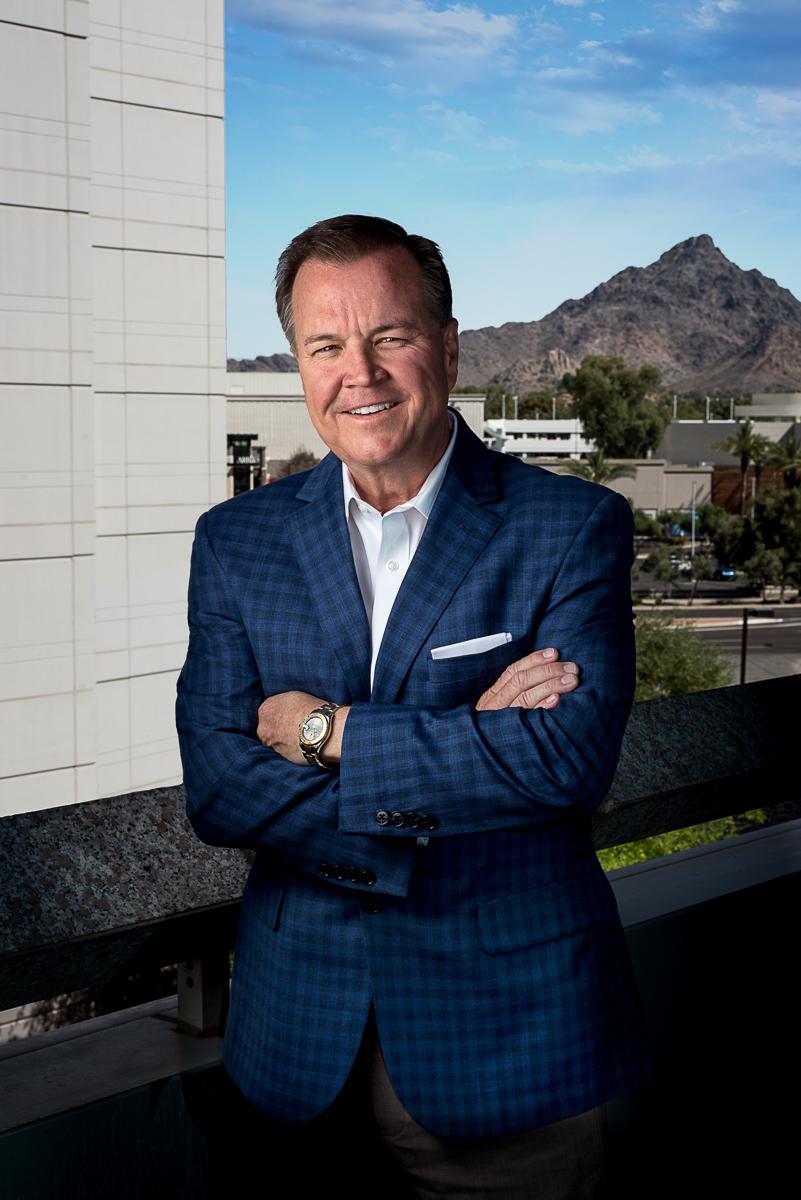
Dave Cheatham, MBA in Dallas for Executives and Professionals
President at Velocity Retail Group
After more than two decades of building and leading a retail brokerage firm, Dave Cheatham wasn’t looking for a reset. He was looking for refinement.
His decision to enroll in the Baylor MBA in Dallas for Executives and Professionals came from a desire to continue evolving as a leader while staying fully engaged in the business he built.
“After 25 years running a retail brokerage firm, I didn’t pursue an Executive MBA to be promoted or for a career change, I did it to stay sharp and keep growing,” Cheatham said.
That mindset reflects a career shaped by hands-on experience and long-standing relationships, but also a recognition that growth requires intentionality.
“But over time, I saw that experience alone isn’t enough if I want to keep improving and lead at a higher level,” he said.
From Experience to Structure
Throughout his career, Cheatham developed instinctive decision-making built on years in the field. The Baylor MBA in Dallas introduced a more structured approach.
“The Baylor Executive MBA has sharpened my strategic thinking by giving structure to decisions I used to make mostly from experience,” he said.
That shift is evident in how he now approaches key business decisions.
“The program has helped me think more clearly about where to allocate capital, how to evaluate deals beyond just surface metrics, and how to better understand risk by getting better at data-driven decision making,” Cheatham said. “I’ve always relied on relationships and market knowledge, but now I pair that with more disciplined analysis.”
Scaling With Intention
As the business has matured, so has the way Cheatham approaches its future.
“From the standpoint of a long-time broker and retail developer, the Baylor MBA in Dallas has pushed me to think much more intentionally about scaling, leadership, and long-term growth,” he said.
That shift is also changing how the business operates day to day.
“It’s about building repeatable systems,” Cheatham said, noting the importance of processes that extend beyond individual contributors.
Over time, Cheatham said his responsibilities have expanded beyond individual deals to shaping the people, processes and long-term direction of the organization.
“I know that I can’t sit in the middle of everything,” Cheatham said. “My role is evolving from dealmaker to coach, mentor, and strategist.”
Leadership Through Mentorship
A primary driver for pursuing an MBA was Cheatham’s commitment to investing in the next generation of leaders within his organization.
“As the company has grown, my role has shifted from doing deals to developing people,” he said.
That focus is rooted in a desire to accelerate growth for the next generation.
“I want to pour into younger brokers, help them shorten their learning curve, and give them more than just ‘trial and error’ as a path to success,” Cheatham said.
He also sees future opportunities to extend that impact into the classroom.
“I’ve developed a real interest in teaching at the collegiate level. I enjoy helping others connect real-world experience with business fundamentals,” he said. “The Executive MBA helps bridge that gap; it gives me the academic foundation to pair with what I’ve learned in the field.”
Applying Strategy in Real Time
The program has directly influenced how Cheatham approaches key business decisions. One example emerged through a shift in how his firm evaluates broker relationships.
“Through the Executive MBA, especially around customer lifetime value and pricing strategy, I started viewing our brokers more like long-term clients,” Cheatham said.
That perspective led to a different strategic approach.
“Rather than trying to win on the highest split, we focused on increasing the perceived value of being on our platform,” he said.
The result is a more durable and intentional model for growth.
“The idea is simple. If the value we provide is greater than the cost of the split, the relationship is stronger and more durable,” Cheatham said.
Insights Beyond Industry
Learning alongside executives from other fields broadened Cheatham’s perspective in unexpected ways.
“It has also challenged some of my assumptions,” he said. “Hearing how others solve problems has made me step back and ask, ‘Is there a better way to do this?’ That kind of perspective is hard to get when you stay inside your own lane,” he said.
That exposure reinforced that many leadership challenges extend beyond industry boundaries.
“It’s helped me see that many of the challenges we face in retail, adapting to change, managing growth, staying competitive, are not unique,” he said.
Leading With Purpose
Inside his organization, Cheatham said the impact of the program is most visible in how he leads.
“I want people to feel accountable but also supported,” he said.
His approach emphasizes both clarity and consistency.
“That means setting clear expectations, giving honest feedback, and investing in their growth,” Cheatham said.
Values also play a central role.
“It also means leading by example, how we handle deals, how we treat people, and how we respond when things don’t go our way,” he said. “Is this aligned with our faith?”
A Renewed Way of Thinking
One of the most unexpected outcomes of the Baylor MBA has been the intellectual challenge.
“What surprised me most about the Baylor Executive MBA has been the impact of the people, both personally and professionally,” Cheatham said.
Returning to a classroom environment offered a different kind of engagement.
“The other thing that surprised me was after so many years of being out of the classroom, how it feels different to use your brain academically than just dealing even with complex business decisions in the workforce,” he said.
Building for the Future
Looking ahead, Cheatham is focused on strengthening how his organization uses data to inform decisions.
“We’re becoming more analytical in how we evaluate sites, tenants, and investments, which leads to better decisions and more predictable outcomes,” Cheatham said.
Ultimately, the goal extends beyond short-term success.
“At the end of the day, it is helping me move from running a successful business to building a durable platform that can grow well beyond me,” he said.
A Baylor Connection
Cheatham’s decision to pursue Baylor was shaped by a personal connection through his family.
“Watching my daughter’s experience at Baylor University had a big impact on my decision,” he said.
What he observed extended beyond academics.
“It wasn’t just academics; it was how they develop character, relationships, and leadership,” Cheatham said.
That perspective carried into his own experience.
“It also created a unique connection for our family,” he said. “We were both part of the Baylor experience at the same time, just at different stages. That made it more personal than just choosing a program based on rankings or convenience. At the end of the day, seeing her journey gave me confidence that Baylor was the right place.”
Learn more about the Baylor MBA in Dallas for Executives and Professionals
Request information about the Baylor MBA in Dallas for Executives and Professionals