Baylor Faculty Break Down the Netflix–Warner Bros. Deal
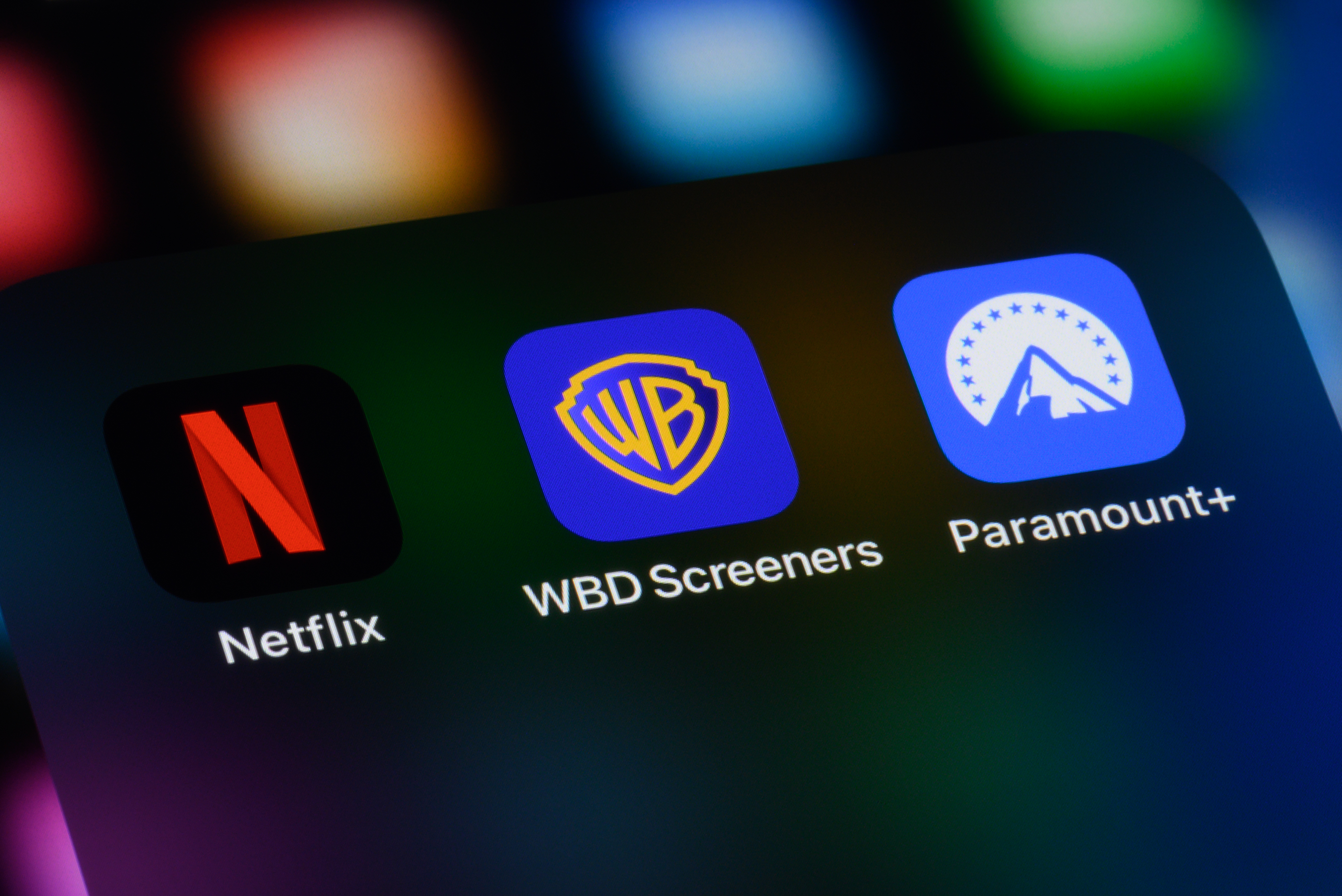
In one of the most consequential media industry developments in years, the proposed Netflix acquisition of Warner Bros. Discovery (WBD) has escalated into a high-stakes bidding war, drawing in Paramount Skydance with a hostile all-cash takeover attempt. What began as a strategic play for content and scale has evolved into a real-time case study in competitive advantage, financial discipline, regulatory risk and organizational integration.
As the situation unfolds, Baylor University MBA faculty from the Hankamer School of Business offer insight into what this moment reveals about modern mergers and what current and future business leaders should be watching closely.
Strategic Positioning and Industry Structure
Netflix’s pursuit of WBD’s studio and streaming assets reflects a broader shift in the media landscape where scale, proprietary intellectual property and global distribution increasingly define competitive advantage. WBD’s deep content library, theatrical expertise and iconic franchises offer Netflix a pathway to strengthen its position across streaming, film and international markets.
Yet the entrance of Paramount Skydance has complicated that vision. Paramount’s hostile bid for the entire WBD entity reframes the decision not just as a strategic alignment but as a question of corporate direction. Paramount has argued that its approach would prioritize preserving the theatrical experience, which has declined in recent years, while Netflix has responded by saying it would commit to longer theatrical runs. The debate highlights a broader choice for WBD: should it focus on streaming and studio-led growth or align with a more traditional media consolidation model that places greater emphasis on theaters?
Erik Davidson, CFA, CTFA, clinical assistant professor of Finance, believes that strategic clarity matters as much as ambition.
“Scale alone doesn’t create value,” Davidson said. “The strategic rationale has to be clear and leadership must be disciplined about what assets actually enhance long-term competitive advantage versus those that simply add complexity.”
Financial Discipline and Shareholder Value
From a financial perspective, the competing bids highlight the importance of evaluating transactions beyond headline price. Paramount’s all-cash offer may appear more attractive on the surface, but WBD’s board has repeatedly emphasized concerns around financing certainty, execution risk and deal completion.
Netflix’s decision to amend its proposal to an all-cash structure underscores how deal certainty, tax implications and risk-adjusted returns factor into shareholder value creation. Traditional valuation tools such as discounted cash flow analysis, net present value and internal rate of return remain central, but they must be paired with realistic assumptions about synergies and integration costs.
Davidson cautions against letting competitive pressure distort financial judgment.
“Bidding wars are where valuation discipline is most likely to break down,” he said. “The goal is not to win the deal at any cost but to ensure the expected value of future cash flows exceeds the price paid after accounting for risk.”
Regulatory Risk and Antitrust Scrutiny
Regulatory approval remains a major unknown. A Paramount-WBD combination would concentrate substantial television and studio assets, while Netflix’s narrower bid still consolidates valuable content and distribution power globally.
“Regulatory uncertainty is a real financial risk,” Davidson said. “Delays or restrictions can erode deal value and distract leadership, turning market power into a potential liability rather than an advantage.”
Culture, Leadership and Creative Integration
While financial and regulatory considerations dominate headlines, organizational integration may ultimately determine whether value is realized or destroyed. Merging two creative-driven organizations presents unique challenges, particularly when employees face uncertainty about identity, autonomy and the future of their work.
Kaylee Hackney, PhD, associate professor of Management, emphasizes that trust is foundational in any acquisition.
“During major change, employees are not just evaluating strategy, they are asking whether leadership understands them and values their contribution,” Hackney said. “How leaders communicate and involve people in the transition can shape outcomes more than any org chart.”
Netflix’s culture of autonomy and decentralized decision-making has fueled innovation, but it may not align with all WBD employees’ expectations. Differences in leadership style, structure and decision rights could affect morale and retention, particularly among creative talent.
Hackney emphasized that perception can be just as powerful as reality.
“Employees act on what they believe is happening, not always on what leaders intend,” she said. “In moments like this, transparency and repeated communication are essential to sustaining engagement and creativity.”
Global Reach and the Future of Content Monetization
A combined Netflix-WBD entity would reshape global content monetization, blending Netflix’s distribution scale with WBD’s theatrical, franchise and licensing expertise. The opportunity is significant but so is the execution challenge. Sustaining creativity while managing scale, systems integration and cultural alignment will require thoughtful leadership long after the deal closes.
Hackney touched on the human side of global expansion.
“Even with strong strategy and market reach, success depends on how well employees are supported and engaged,” she said. “Leaders need to ensure people feel included and valued, or the organization risks losing the creative energy that drives growth.”
A Live Case Study for Business Leaders
As shareholders weigh competing offers and regulators assess market implications, the Netflix-WBD saga offers a vivid lesson for MBA students and executives alike. Strategy, finance, regulation and organizational behavior converge in moments like these.
“The real work of a merger begins after the announcement,” Davidson said. “Capturing value depends on disciplined execution and leadership that keeps shareholders’ interests front and center.”
Even the most carefully planned deal can falter if employees are disengaged or uncertain about their role.
“That work ultimately succeeds or fails through people,” Hackney said. “Leaders who build trust, communicate clearly and involve employees in shaping the future create the conditions for both innovation and long-term success.”
These lessons show that mergers are not just financial transactions but complex endeavors where strategy, execution and people must align to create lasting value.
Learn from Real-World Business Decisions
Interested in learning how to analyze real-world business decisions like this alongside faculty experts? Baylor’s MBA programs equip students with the strategic, financial and leadership skills needed to navigate complex challenges across industries. If you’re ready to move your career forward, fill out this form to learn more about our programs.